Chemicals are an indispensable part of modern manufacturing, but when they are not managed properly they pose serious risks to people, facilities and the environment. The good news is that most incidents can be prevented by consistently following a handful of basic rules. Below we summarise seven rules that apply in the laboratory and on the production floor alike.
1. Read the label: know the GHS pictograms
The United Nations Globally Harmonized System (GHS) communicates chemical hazards in the same language worldwide. In the European Union it is implemented through the CLP Regulation, and in Türkiye through the SEA Regulation. A label carries one or more of nine pictograms, the signal word “Danger” or “Warning”, hazard statements (H statements) describing the hazard and precautionary statements (P statements) describing what to do. An employee who does not know what the flame, corrosion, exclamation mark or health hazard pictograms mean cannot assess the risks before opening a container.
2. Check the safety data sheet (SDS) before use
The safety data sheet is a product’s identity card and consists of 16 standard sections. Hazard identification (Section 2), first aid (Section 4), firefighting (Section 5), accidental release (Section 6), handling and storage (Section 7) and exposure controls and personal protection (Section 8) are the parts consulted most often on site. The current version should be kept close to where the product is used and be accessible to everyone.
3. Choose the right personal protective equipment (PPE)
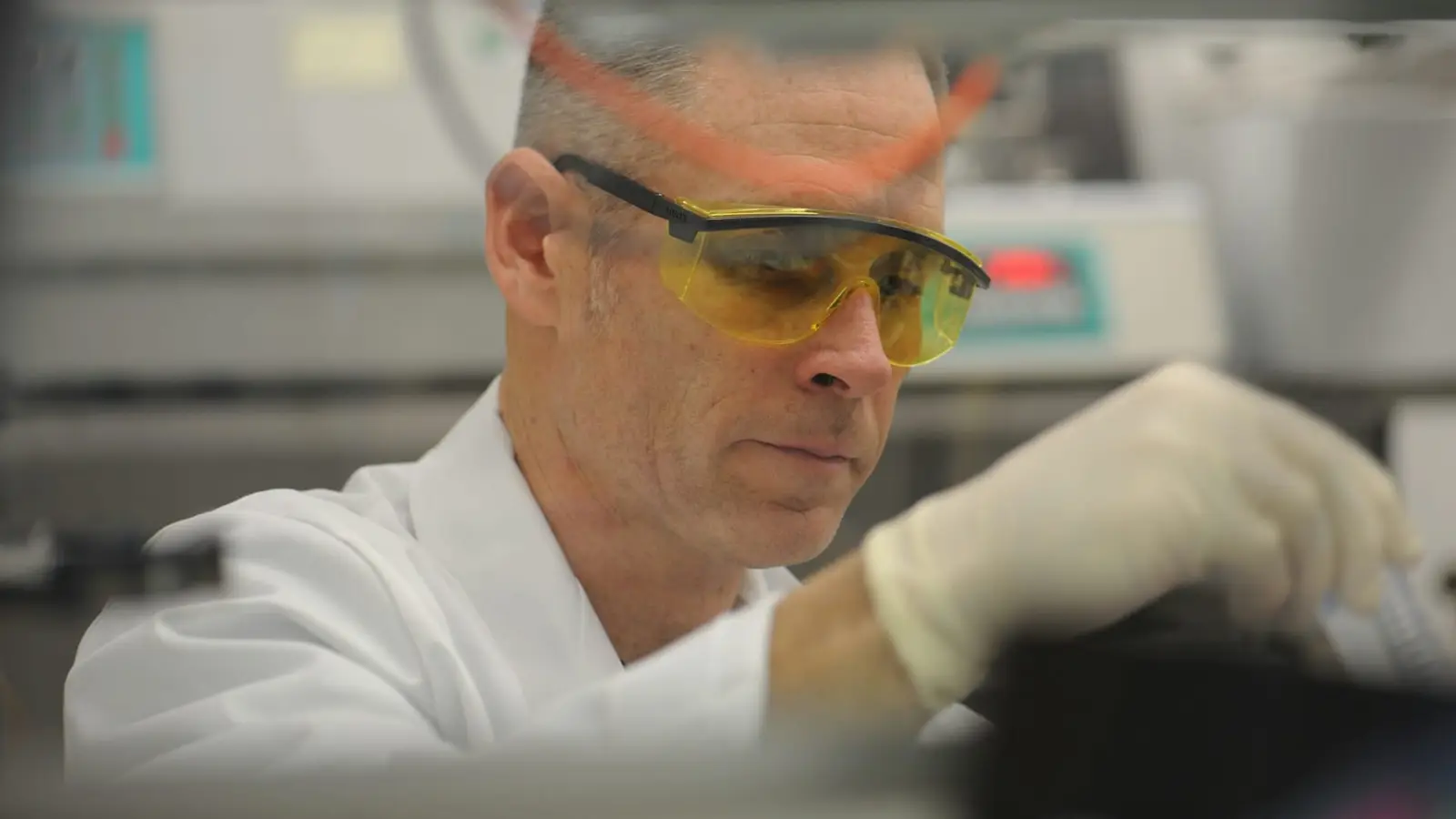
PPE is selected on the basis of a risk assessment; one glove for every job is not enough. Where splashes are possible, use goggles with side protection or a face shield, gloves made of a material suited to the chemical (nitrile, butyl, neoprene, etc.) with an adequate breakthrough time, a lab coat or chemical suit and, where needed, respiratory protection with the correct filter. Damaged or contaminated PPE must be replaced immediately.
4. Engineering controls first: don’t neglect ventilation
In the hierarchy of controls, PPE is the last line of defence. Substitution with a less hazardous product, closed systems, fume hoods and local exhaust ventilation reduce exposure at the source. Volatile, dusty or odorous products should always be handled in well-ventilated areas.
5. Store incompatible substances separately
Acids and bases, oxidisers and flammables, or water-reactive products must not be stored together. The storage area should be cool, dry and well ventilated, and liquids should sit on secondary containment such as spill trays. Any chemical decanted into another container must be relabelled to show its contents and hazards.
6. Build safe handling habits
When diluting, always add acid to water, never the other way round: pouring water onto acid can cause sudden heating and splashing. Never pipette by mouth, do not eat or drink in the work area and wash your hands when you finish. Use suitable pumps and funnels for transfers and do not leave containers open.
7. Always be ready for an emergency
Eyewash stations and safety showers must be easy to reach and tested regularly. After a splash to the eyes or skin, rinse the area with plenty of water for at least 15 minutes, then follow the first-aid section of the SDS. Keep spill kits, fire extinguishers and waste disposal procedures ready, and train employees on them periodically.
Conclusion
Chemical safety is not a one-off project but an ongoing culture. We aim to supply our products with up-to-date safety data sheets and GHS-compliant labels, and to provide our customers with technical support on safe use. Contact us for the SDS of any of our products.