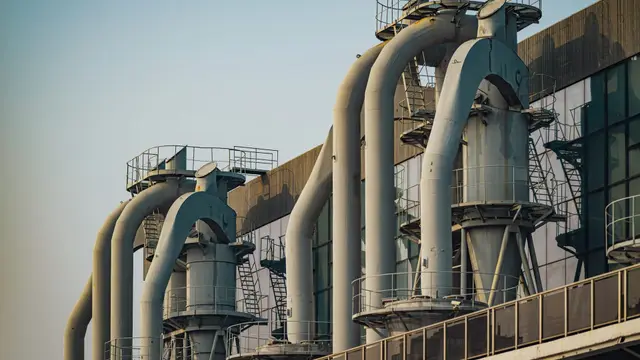
In dairy, juice, brewing and prepared food lines, tanks, pipework, heat exchangers and fillers must be cleaned thoroughly every day. Clean-in-place (CIP), which cleans this equipment in a closed circuit without dismantling it, is one of the cornerstones of modern food production, delivering both hygiene assurance and efficiency.
The four key parameters of CIP
Cleaning performance depends on the balance of four factors, known as Sinner’s circle:
- Chemistry and concentration: the chemical must suit the type of soil and be used at the right concentration.
- Temperature: higher temperatures speed up the removal of fat and protein residues, but every chemical and soil has its suitable range.
- Time: the chemical needs sufficient contact time to act on the soil.
- Mechanical action: pipework needs a flow velocity that ensures turbulent flow (commonly at least around 1.5 m/s), and tanks need suitable spray devices.
When one factor is reduced, the others must be increased. Working at a lower temperature, for example, may require a longer time or a different formulation.
A typical CIP cycle
- Pre-rinse: loose residues are removed with water. A good pre-rinse reduces the chemical load in later stages.
- Alkaline wash: usually with sodium hydroxide-based solutions, often at a concentration of about 0.5 to 2 percent and around 70 to 85 °C. It dissolves fats, proteins and organic soils. Formulated products improve performance with wetting, sequestering and foam-control components.
- Intermediate rinse: the alkaline solution and dissolved soil are flushed out.
- Acid wash: nitric or phosphoric acid-based solutions remove scale, milkstone and mineral deposits. This stage is critical on heat-treated surfaces such as pasteurisers and UHT heat exchangers. Acid also helps maintain the passive layer on stainless steel.
- Final rinse: the system is rinsed with water of suitable quality so that no chemical residue remains.
- Sanitising: where required, the microbial load is reduced with sanitisers such as peracetic acid, or with hot water.
Concentrations, temperatures and times should be set according to the equipment, the type of soil and the chemical supplier’s recommendations.
Verification: how do you know it is clean?
The most important part of CIP is proving that cleaning has actually worked:
- Process records: temperature, flow, time and conductivity (an indicator of concentration) should be logged for every cycle and compared with defined limits.
- Final rinse check: measuring the conductivity or pH of the final rinse water confirms that no chemical residue remains.
- ATP testing: surface swabs give a quick check for organic residues.
- Microbiological analysis: periodic samples monitor the effectiveness of cleaning and sanitising.
- Visual inspection: accessible tank interiors and gaskets are inspected regularly.
Efficiency and sustainability
Recovery CIP systems allow the alkaline solution to be reused over several cycles. Conductivity-controlled automatic dosing avoids unnecessary chemical consumption. Data-driven optimisation of cycle times and temperatures saves water, energy and chemicals while increasing production time.
Safety
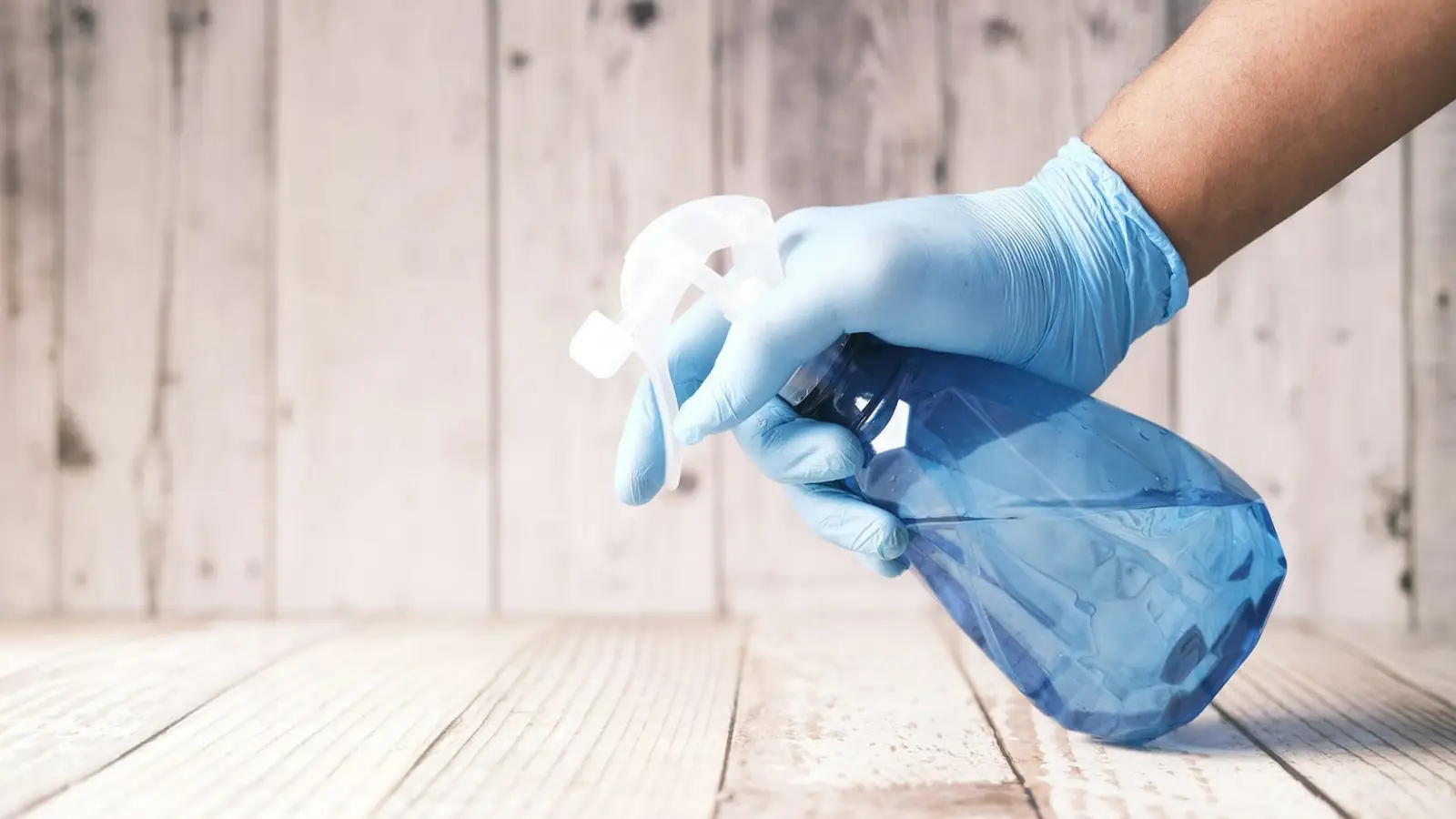
CIP chemicals are generally corrosive. Suitable PPE should be worn during chemical transfers, acid and alkali lines should be designed so they cannot be mixed up, and hypochlorite-containing products must never come into contact with acids.
With our cleaning and hygiene product group, we aim to provide food and beverage producers with technical support on product selection and application in their CIP programmes. Contact us to discuss your requirements.