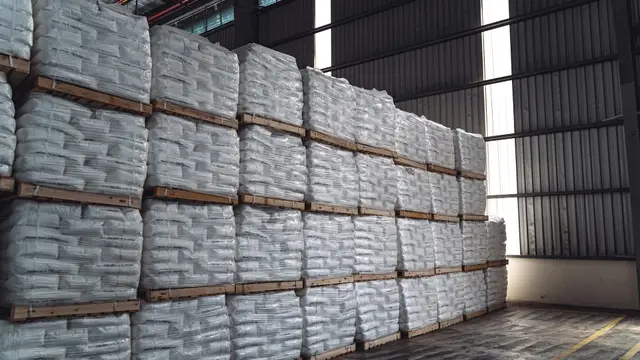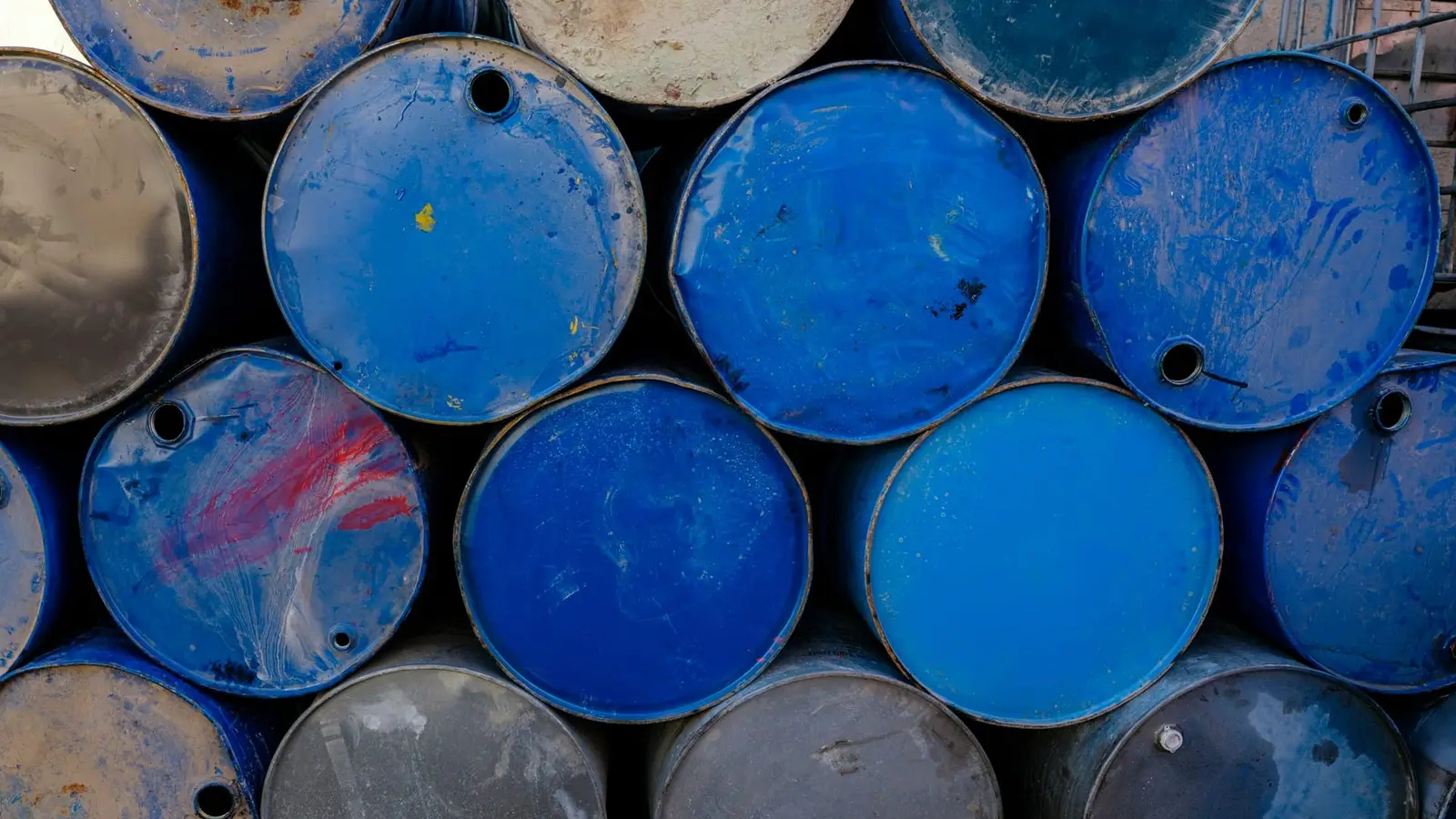
Many chemical incidents start not during use but in the storage area. Two incompatible products placed side by side, a leaking drum or a container whose label has worn off can be enough to turn a small oversight into a serious event. A well-designed store, on the other hand, protects people, the facility and the environment. In this article we summarise the key principles of safe chemical storage.
Start with an inventory and the safety data sheets
A storage plan begins with knowing which products you hold and in what quantities. Keep an up-to-date chemical inventory and review the safety data sheet (SDS) for each product. Section 7 (handling and storage) and Section 10 (stability and reactivity) are particularly important: they tell you the conditions a product needs and which materials it must not come into contact with.
Segregate incompatible substances
The most important storage rule is to keep apart products that can react dangerously with each other. Typical examples:
- Acids and bases: mixing them releases a lot of heat and can cause splashing. Store them on separate shelves and, ideally, on separate spill trays.
- Oxidisers and flammables: oxidisers such as peroxides, hypochlorites or nitrates must be kept away from solvents, oils and organic materials.
- Hypochlorite and acids: sodium hypochlorite in contact with acids can release toxic chlorine gas.
- Water-reactive substances: keep them in a dry area away from water sources.
Segregation can be achieved by distance, partition walls or separate cabinets. Simply arranging products alphabetically is not appropriate, as it can place incompatible substances next to each other.
Ventilation and storage conditions
The store should be cool, dry and well ventilated. Natural or mechanical ventilation prevents vapours from volatile products building up, and where flammable liquids are stored suitable electrical equipment may be required. Direct sunlight, heat sources and frost can degrade products or damage packaging, so the temperature range given in the SDS should be respected.
Secondary containment
Liquids should be stored on secondary containment that can hold a possible leak: spill trays, bunded pallets or bunded areas. A common rule of practice is that the containment volume should be at least equal to the largest container it holds. The containment material must also resist the stored chemical; some acids, for example, attack certain metal surfaces.
Labelling and good housekeeping
Every container must carry a legible label showing its contents and hazards, including containers into which products have been decanted. Heavy and large packs belong on lower shelves and small packs at eye level, and corrosive liquids should never be stored above eye level. Aisles, emergency exits and fire extinguishers must always be kept clear.
SDS access and emergency preparedness
Current safety data sheets should be available, on paper or digitally, close to the store and accessible to everyone. Spill kits, suitable extinguishers, an eyewash station and a safety shower should be ready, and employees trained to use them. Regular inspections help detect leaks, bulging packaging and products past their shelf life.
Conclusion
Safe storage combines the right information, the right layout and regular checks. We aim to supply our products with up-to-date safety data sheets and to provide our customers with technical support on storage and handling. If you have questions about the products in your store, please get in touch with us.