Water is one of industry’s most fundamental inputs: process water, boiler feed water, cooling towers and wastewater treatment plants cannot run efficiently without the right chemical programme. Yet there is no single “best” treatment chemical; the right choice depends on the characteristics of the water and the target quality. In this article we summarise the core processes and selection criteria.
Know your water first
Everything starts with a sound raw water analysis. Parameters such as turbidity, suspended solids, pH, alkalinity, hardness, conductivity, organic load (COD/BOD), iron and manganese, and temperature determine which chemical is needed and at what dose. In low-alkalinity water, for example, aluminium- or iron-based coagulants can lower the pH more than expected, while in cold water floc formation slows down.
Coagulation: neutralising charges
Colloidal particles in water are usually negatively charged and, because they repel each other, do not settle on their own. Coagulants neutralise these charges so that the particles can come together. The most common options are:
- Aluminium sulphate (alum): economical and widely used; its effective pH range is relatively narrow.
- Polyaluminium chloride (PAC): thanks to its pre-hydrolysed structure it performs well over a wider pH range and in cold water, and usually produces less sludge.
- Ferric chloride and ferric sulphate: form heavy flocs and are often preferred for phosphorus removal and wastewater treatment; being corrosive, they require suitable storage.
Coagulation needs short, rapid mixing so that the chemical disperses quickly and evenly in the water.
Flocculation: from small particles to large flocs
The micro-flocs formed during coagulation are bridged by high-molecular-weight polymers called polyelectrolytes (mostly polyacrylamide-based) into large, fast-settling flocs. Anionic, cationic and non-ionic grades are available; anionic polymers are typically used for drinking and process water, cationic ones mostly for sludge dewatering. Flocculation requires slow mixing, since excessive agitation breaks up the flocs.
pH control and disinfection
To make coagulation efficient and meet discharge limits, pH is often adjusted with chemicals such as sodium hydroxide, lime or sulphuric acid. For microbiological safety, sodium hypochlorite is the most common disinfectant; chlorine dioxide and other oxidisers may be preferred in specific applications. Regular monitoring of residual chlorine is important for controlling both effectiveness and by-product formation.
Boiler and cooling water: scale, corrosion and fouling
In closed and open circuits, phosphonate-based scale inhibitors, corrosion inhibitors, oxygen scavengers and biocides are applied together as a programme. The goal is to prevent scale on heat-transfer surfaces, reduce metal loss and control biofilm.
The jar test: measure, don’t guess
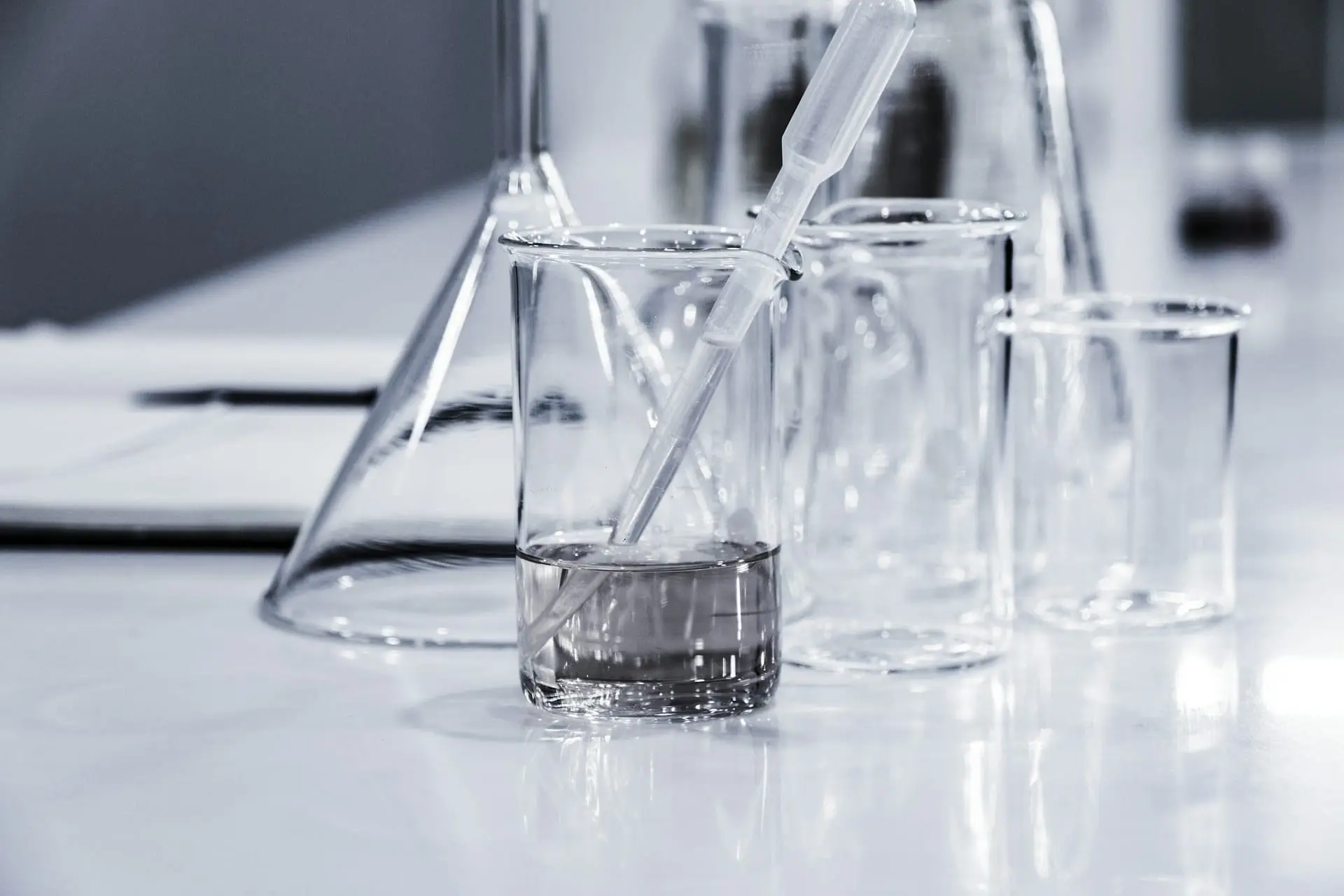
A laboratory-scale jar test compares different chemicals and doses on the same raw water and is the most reliable way to find the optimum combination. Floc size, settling rate, turbidity of the clarified phase and pH are evaluated. Repeating the test as conditions change with the seasons reduces unnecessary chemical consumption and operating costs.
Checklist for the right choice
- Up-to-date raw water and target quality analyses
- Chemical and dose validated by jar testing
- Expected sludge volume and disposal cost
- Storage, dosing equipment and material compatibility
- Safety data sheet (SDS) and regulatory compliance
Get in touch with our team to identify the right treatment chemicals for your plant and to plan a jar test.